

Orthopedics · Knee
Damaged cartilage and meniscus
Does your knee hurt after an injury or after an earlier meniscus operation, and has the examination shown damaged cartilage? Cartilage heals poorly on its own. Depending on the findings, it can be treated, a torn meniscus can be sutured, and a missing meniscus can be replaced by a transplant in selected patients. The goal is to preserve your own knee.
- No GP referral needed
- Surgery by Prof. MUDr. Radek Hart
Preserving your own joint
- examination
- MRIcartilage does not show on an X-ray, magnetic resonance imaging shows it
- most often
- youngeradults with a single, well-defined cartilage defect
- brace and crutches
- 4–6 weeksafter a meniscus transplant
- recovery
- 3–6 monthsusually after a meniscus transplant, after cartilage treatment depending on the procedure
01When treatment is considered
Damaged cartilage and a missing meniscus
The ends of the bones in the knee are covered with smooth articular cartilage, on which the bones glide with almost no friction. Between the thigh bone and the shin bone lie two menisci, which absorb shocks and stabilize the knee. Cartilage can be damaged by an injury or by ordinary wear, and it heals poorly on its own.
-
A well-defined cartilage defect
Damage at one spot on the joint surface. The surface is no longer smooth, and movement over it hurts. It often occurs together with a torn meniscus or ligament. It does not show on an X-ray; magnetic resonance imaging shows it, sometimes together with an overloaded bone beneath the damaged spot.
-
A torn meniscus
A tear in the outer part of the meniscus, which has a blood supply, can heal or be sutured. Where the findings allow, we try to preserve the meniscus. You can read more about meniscus tears and arthroscopy on the page Knee arthroscopy and meniscus.
-
A missing meniscus
When a large part of the meniscus is missing after an earlier operation or injury, the knee may keep hurting under load, and the cartilage starts to wear down faster, much like a worn tire.
-
Why to deal with it early
Damaged cartilage and a missing meniscus can lead to arthritis. Treatment aims to relieve pain, improve how the knee works and delay the onset of arthritis. If arthritis has already affected one part of the knee, read about osteotomy and partial replacement.
- articular cartilage
- meniscus
- overloaded bone beneath the defect
- bones of the knee
02Treatment
From exercises to meniscus transplant
The approach depends on how large and deep the damage is, where it lies, whether the knee also has a torn meniscus or ligament, and on your age and activity level. Results of cartilage treatment are generally better in younger people with a single well-defined defect. The doctor will set the plan with you at the consultation.
Step 1
Examination and treatment without surgery
In the outpatient clinic and at home.
- Magnetic resonance imaging shows the cartilage, the menisci and the bone beneath them
- Adjusting the load and exercises for the strength of the muscles around the knee
- An injection into the joint can ease pain and swelling, but the effect does not last permanently
Step 2
Cartilage treatment
Mostly arthroscopic, through small incisions.
- The damaged spot is treated so that new tissue fills it, or healthy cartilage with bone is transferred into it
- The doctor chooses the method according to the size and depth of the damage
- A torn meniscus or ligament is often treated during the same procedure
Step 3
Meniscus suture or transplant
So that the knee does not lose its shock absorber.
- A torn meniscus is sutured where possible
- If a large part of the meniscus is missing, it can be replaced with a donor meniscus in selected patients
- The graft is selected by size and screened for infections
Not sure what suits your knee? The examination decides. Book a consultation
03How the procedure goes
From booking to going home
Most cartilage and meniscus procedures are done arthroscopically: the surgeon inserts a camera and fine instruments into the knee through small incisions. Some procedures need a longer, open incision. The transplanted meniscus is anchored in the shin bone and sutured to the joint capsule.
-
Booking
Online or by phone. A referral from a general practitioner is not required.
online or phone -
Consultation and examination
Prof. Hart examines the knee and assesses the scans.
diagnosis and treatment plan -
Procedure
Under general or regional anesthesia. We arrange the date according to the findings and the chosen procedure.
date depends on findings -
Going home
You go home as soon as everything is in order. At first, crutches protect the knee, and after a meniscus transplant a brace as well.
follow-up and physiotherapy
04Recovery and physiotherapy
Cartilage and meniscus need time
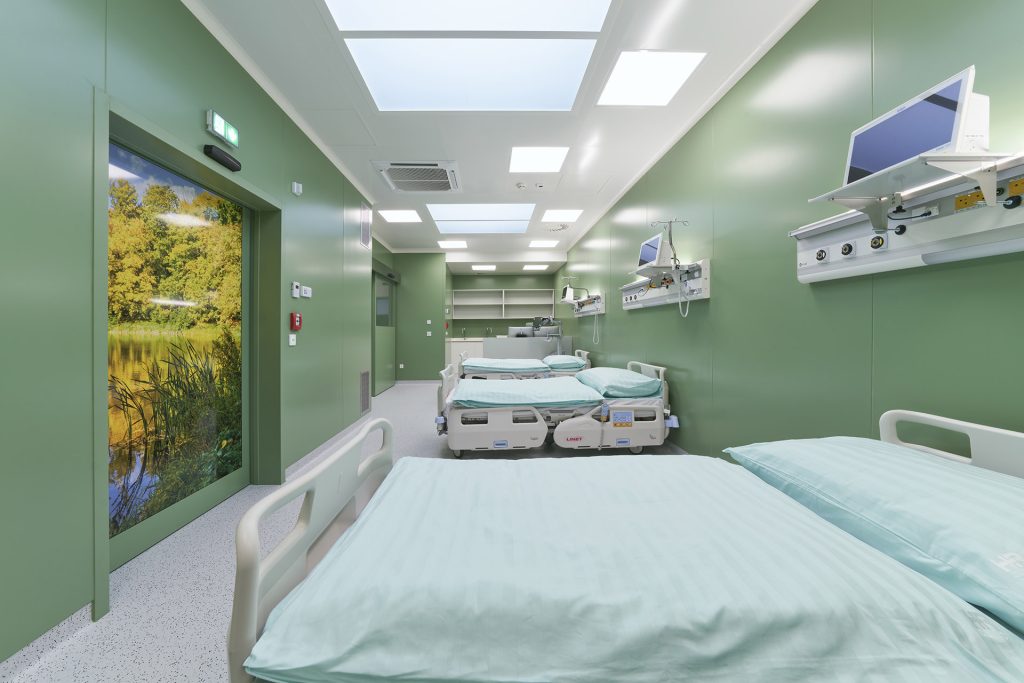
The treated area must be protected until the new tissue or the graft has healed. That is why rehabilitation is longer than after a routine arthroscopy and proceeds step by step. When needed, we follow up with physiotherapy right at the clinic.
-
The first weeks on crutches
After cartilage treatment you usually walk on crutches without putting weight on the leg, and longer depending on the procedure and the location of the damage. Physiotherapy helps restore the movement of the knee, often from the first weeks.
-
Meniscus transplant: 4 to 6 weeks in a brace
The brace and crutches give the graft time to attach firmly to the bone. Movement of the knee is started as early as possible, and strengthening is added gradually.
-
Returning to work
After a meniscus transplant, most patients do not return to work sooner than 2 weeks. With physically demanding work, rehabilitation can take 3 to 4 months.
-
Sport after several months
You return to more demanding sport only after several months. When that is safe, you decide together with the doctor.
05Who operates
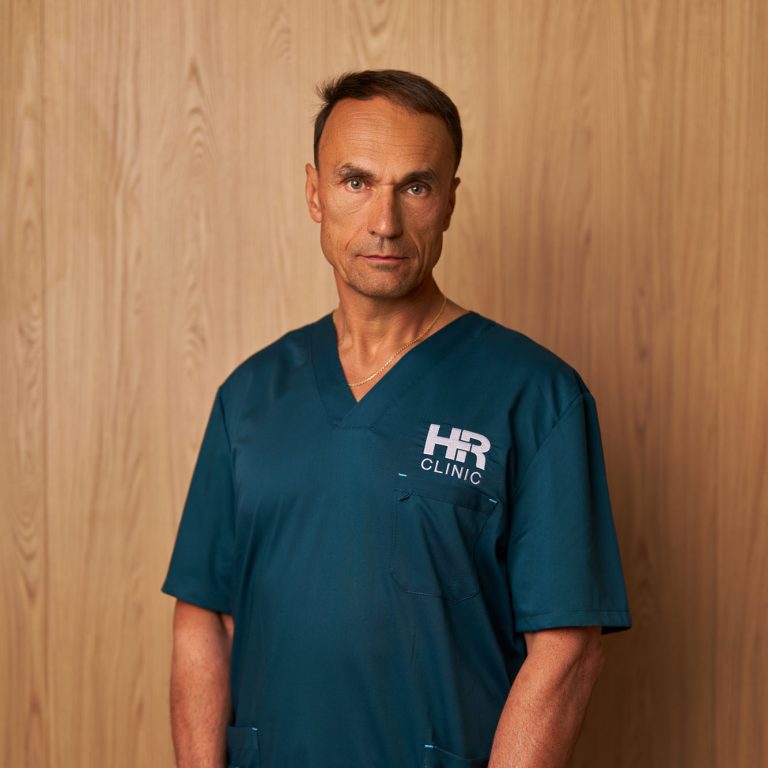
Prof. MUDr. Radek Hart, Ph.D., FRCS, MHA
Orthopedic and trauma surgeon of the musculoskeletal system, head physician of HR Clinic. In the knee he works, where the findings allow, to preserve the patient's own joint: to suture the meniscus, treat damaged cartilage and replace a missing meniscus. He sees patients in Znojmo and in Vienna; after a consultation in Vienna, the procedure can be done in Znojmo.
More about Prof. Hart Specialist website ortho-hart.at
Price We will tell you the price of the procedure at the consultation, based on the findings and the extent of the procedure.
06Frequently asked questions
What patients ask most often
Will cartilage grow back by itself?
Cartilage heals poorly on its own. That is why the damaged spot is treated so that new tissue fills it, or healthy cartilage is transferred into it. Cartilage treatment methods are still evolving; which one the doctor recommends depends on the size and depth of the damage, your age and your activity level.
Will stem cells or injections of my own blood help?
Stem cells and other approaches meant to stimulate the growth of new cartilage are still being researched, mostly in clinical studies. For injections of stem cells or platelets (PRP) into the knee, studies have not yet confirmed a benefit. Restoration of cartilage cannot be promised from them.
Who is suitable for a meniscus transplant?
Usually younger, active people who are missing a large part of the meniscus after an earlier operation or injury and whose knee hurts under load. The knee should have stable ligaments, correct alignment and no or only minimal arthritis. A misaligned leg can be straightened by a corrective osteotomy, sometimes in the same operation. A transplant does not help everyone, so the doctor carefully assesses the selection.
Where does the meniscus for a transplant come from, and can the body reject it?
It is tissue from a deceased donor, selected by size and screened for infections. The body does not reject it the way it rejects transplanted organs, so you do not need immunosuppressive medication after the procedure. The risk of transmitting an infection through donor tissue is very low.
How long will I be at the clinic?
You go home as soon as everything is in order; the stay at the clinic lasts at most 24 hours. If a longer hospital stay is needed, the clinic arranges follow-up rehabilitation care at the Dačice Rehabilitation Institute, covered by public health insurance.
When should I get in touch after the procedure?
Right away if you have a fever or chills, severe or worsening pain, marked swelling or redness of the knee, fluid leaking from the wound, or tingling or numbness around the joint that does not go away. Complications such as infection are rare, but it is important to catch them in time.
Do I need a referral from a general practitioner?
No. You can simply book online or by phone.
07Booking
Book an orthopedic consultation
Online or by phone, at the clinic in Znojmo. A referral from a general practitioner is not required.
- +420 515 225 520
- info@webdemo.dam-medizin.com
- Kotkova 3974/9c, 669 02 ZnojmoMon: 8:30–15:00 · Tue–Fri: by appointment